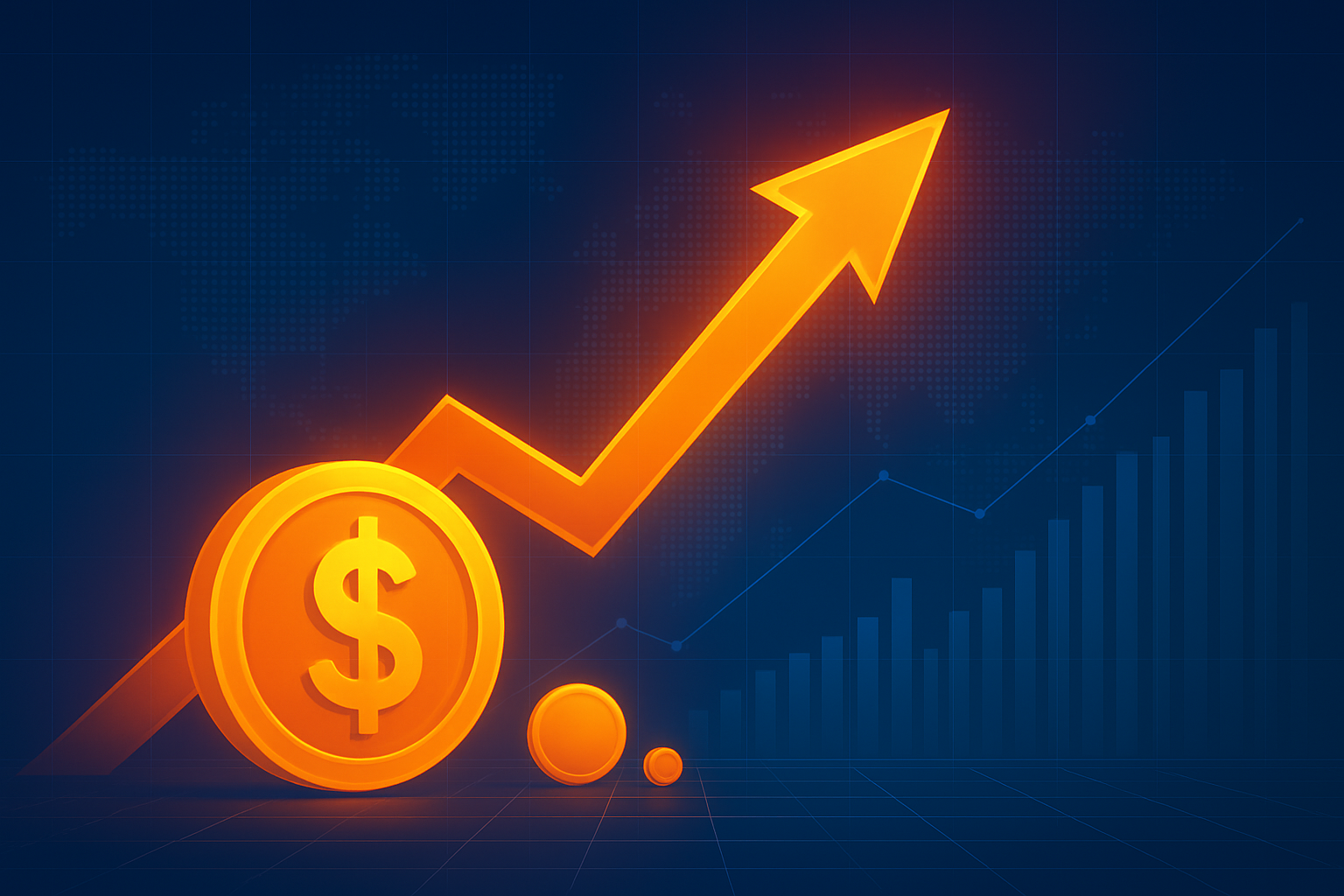
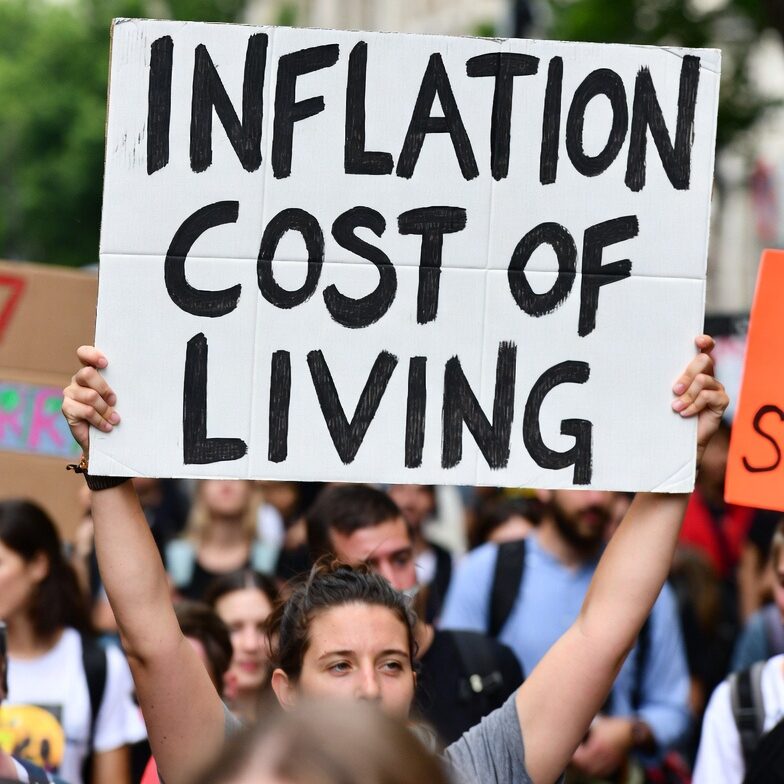
For nearly two years, consumers around the world have been waiting for inflation to fall back to pre-pandemic levels. Yet despite aggressive interest rate hikes, slowing economic growth, and government interventions, inflation remains stubbornly high across multiple regions. Many economists now believe that inflation is not just a temporary spike but part of a longer, structural shift in the global economy.
Understanding why inflation persists is crucial for investors, businesses, and households. The old rulebook for predicting prices no longer applies. What we are experiencing is not a simple cycle but a fundamental economic transformation.
In this article, we explore the deeper forces behind persistent inflation and explain why it may remain elevated for years to come.
Structural Inflation vs. Cyclical Inflation
Historically, inflation was seen as a cyclical phenomenon driven by economic booms and busts. When demand increased, prices rose. When the economy cooled, inflation fell. But the current inflation wave does not follow the traditional pattern.
Instead, economists now classify today’s inflation as structural. This type of inflation is driven by long-term shifts in supply chains, demographics, geopolitical tensions, labor markets, and energy systems. Structural inflation does not disappear simply because central banks raise interest rates.
To understand why inflation is becoming entrenched, we must look at what changed beneath the surface of the global economy.
For more detailed information on this topic, please visit the following link: https://www.schroders.com
1. The Fragmentation of Global Supply Chains
For decades, globalization kept prices low. Companies outsourced production to countries with cheap labor, efficient logistics, and stable political environments. This system, however, began to break down in the last five years.
Several major disruptions reshaped supply chains:
- The pandemic exposed vulnerabilities in just-in-time manufacturing
- Tensions between the United States and China increased production risks
- Companies started reshoring or nearshoring manufacturing to reduce dependency
- Shipping costs and energy prices surged
- Raw material shortages became more common
This shift to more resilient but more expensive supply chains has been called the end of the “globalization discount”. Goods that were once cheap to produce now cost more because the world is prioritizing security over efficiency.
This alone creates long-term inflationary pressure.
2. Chronic Labor Shortages Across Developed Economies
Labor markets in many wealthy nations are undergoing a transformation. Several factors contribute to long-lasting worker shortages:
- Aging populations reducing the available workforce
- Declining birth rates
- Early retirements accelerated by the pandemic
- Stricter immigration policies
- Workers demanding better wages and work-life balance
When businesses struggle to hire, wages rise. Higher wages increase production costs, which companies pass on to consumers in the form of higher prices.
This dynamic pushes inflation upward, even in periods of slower economic growth.
3. The Cost of the Green Energy Transition
Transitioning from fossil fuels to renewable energy is necessary, but it is not free. The world is investing trillions of dollars into new energy infrastructure, electric grids, batteries, and resource extraction.
The shift creates several inflationary effects:
- Higher demand for minerals like lithium, cobalt, copper, and nickel
- Rising energy costs during the transition phase
- Carbon taxes and environmental regulations increasing producer costs
- Supply bottlenecks for renewable energy components
While green energy may eventually lower energy prices, the transition period is economically turbulent and contributes to multi-year inflation.
4. Governments Are Spending More Than Ever
Public spending has surged across the world. Countries are heavily investing in infrastructure, subsidies, defense, and social support programs. At the same time, government debt levels have reached historic highs.
When governments inject large amounts of money into the economy, demand increases, pushing prices up. Even as central banks try to cool inflation, fiscal policy often pulls in the opposite direction.
This mismatch between monetary tightening and government spending keeps inflation higher than expected.
5. Geopolitical Instability Is Now a Permanent Factor
Geopolitical tensions are no longer temporary events. They have become a constant backdrop affecting trade, energy, currency stability, and the movement of goods.
Key pressure points include:
- The conflict in Eastern Europe
- Rising tensions around Taiwan
- Middle East instability
- Trade restrictions between major powers
- Growing competition for critical resources
Each of these issues increases uncertainty and supply disruption, and uncertainty always adds to inflationary pressures.
6. The Era of Cheap Money Has Ended
For more than a decade after the 2008 financial crisis, interest rates were near zero. Cheap money fueled economic growth, boosted asset prices, and kept borrowing costs low.
That era is over.
Now, interest rates must remain higher to control inflation. Higher capital costs translate into:
- More expensive mortgages
- Higher business loans
- Reduced investment in innovation
- Increased production costs across industries
These higher costs ripple through the entire economy and keep prices elevated.
What This Means for Investors and Consumers
Persistent inflation changes everything:
- Bonds may continue losing value
- Stocks with strong pricing power become more attractive
- Commodities and energy may outperform traditional sectors
- Real estate becomes more dependent on interest rate policies
- Cash loses purchasing power faster
- Consumers must adapt to higher living costs as the new normal
Inflation is becoming less of a temporary problem and more of a defining economic condition.
Conclusion: A New Economic Reality
Inflation is not disappearing anytime soon because the forces driving it are structural, global, and long-lasting. Supply chains have been redesigned, labor markets have transformed, and geopolitical tensions remain elevated. Energy systems are undergoing massive restructuring, and governments are spending at unprecedented levels.
Central banks can slow inflation, but they cannot reverse these global shifts.
The world is entering a new economic era where inflation remains higher for longer. For businesses, policymakers, and investors, understanding this reality is essential to making smarter decisions in the years ahead.



Más historias
Can the World Avoid a 2025 Recession? Economists Are Divided
The Future of Work and Automation: How It Will Reshape the Global Economy
The Global Debt Problem Is Worse Than You Think