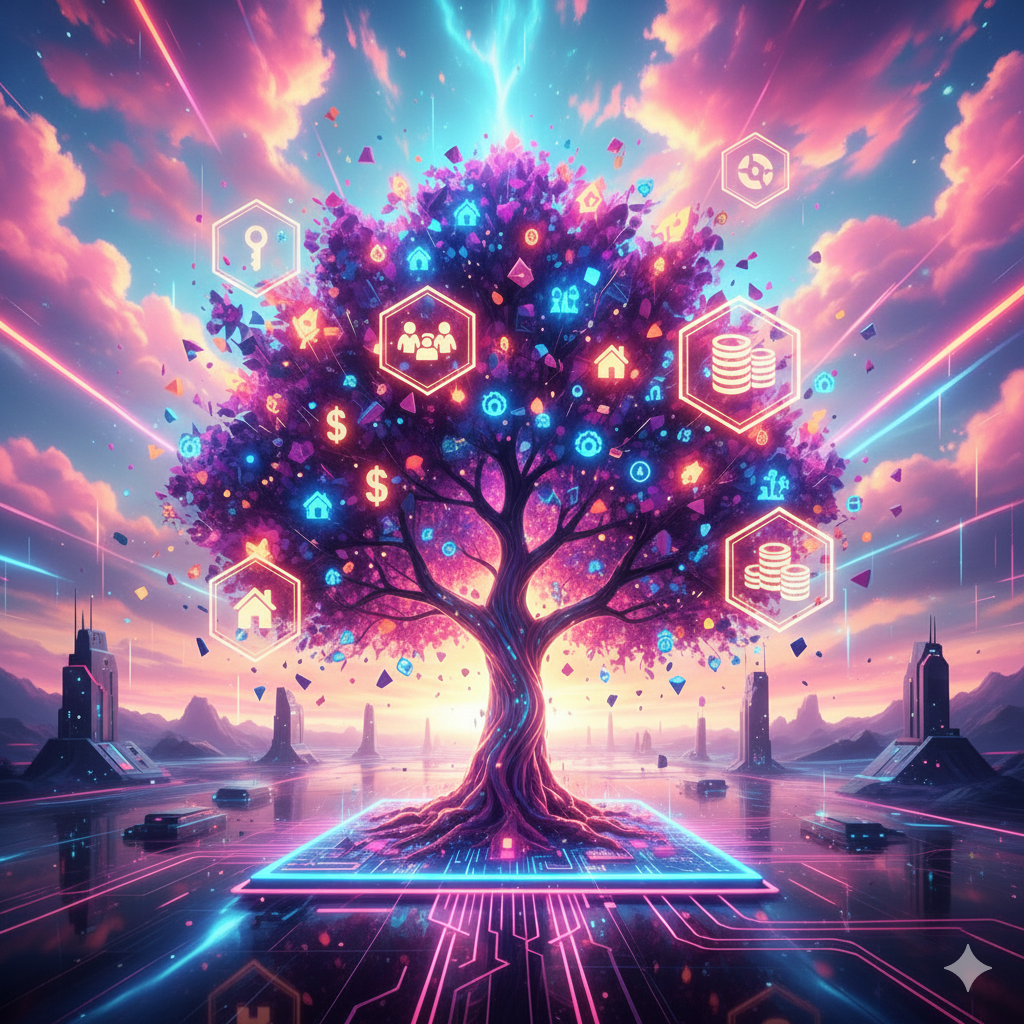
Over the past few years, the crypto industry has evolved far beyond the hype cycles that once revolved almost entirely around non-fungible tokens (NFTs). While NFTs played a crucial role in introducing digital ownership to a mainstream audience, the next stage of blockchain innovation is being driven by two powerful forces: utility tokens and fractional ownership models. These developments are reshaping how users interact with digital assets, how businesses structure value, and how investors participate in previously inaccessible markets.
Today, the crypto ecosystem is moving from speculation toward functionality — and as this transition accelerates, the financial landscape around digital assets is being redefined.
The Shift from Collectibility to Real Utility
NFTs were often criticized for lacking inherent utility. Many were seen as digital collectibles whose value depended largely on hype, rarity, or celebrity involvement. While some NFT ecosystems tried to add real-world use cases, the market grew saturated, and prices crashed.
Utility tokens, however, represent a very different narrative.
A utility token gives holders access to specific services, features, or rights within a blockchain ecosystem. Instead of relying on speculative value, these tokens play an active role in the functioning of applications.
Examples include:
- Tokens granting access to decentralized cloud storage
- Tokens used to pay gas fees or prioritize transactions
- Tokens enabling voting and governance in DAOs
- Tokens offering rewards, discounts, or premium platform features
This shift introduces a more sustainable economic model. The value of a utility token is directly connected to the demand for the service it powers — meaning its price can grow naturally alongside real adoption, not speculation.
Fractional Ownership: The Democratization of High-Value Assets
Another major innovation transforming crypto is fractional ownership. This model allows users to purchase portions of an asset, whether digital or physical, breaking it into small, tradable fractions.
For example:
- A multimillion-dollar building can be tokenized and divided into thousands of pieces
- A luxury watch or a rare collectible can be fractionally owned by multiple people
- A valuable NFT can be split among fans or investors
- Revenue-generating businesses can offer fractional equity-like tokens to their community
Fractional ownership unlocks liquidity for traditionally illiquid markets. Instead of needing $200,000 to invest in real estate, someone can gain exposure for as little as a few dollars — leveling the playing field for small investors.
This model is especially disruptive in:
- Real estate
- Art and collectibles
- Renewable energy investments
- Entertainment rights (music, film, IP)
- Luxury goods
By lowering barriers, fractional ownership increases participation and brings financial opportunities to global audiences that were previously excluded.
How These Innovations Complement Each Other
Utility tokens and fractional ownership models are not separate trends — they often work together to power advanced Web3 ecosystems.
For example:
- A fractional real-estate platform may use a utility token for governance and rewards.
- A music rights marketplace could split royalties into fractions while using a token for voting on new artists or platform improvements.
- A decentralized gaming ecosystem may combine in-game item ownership with fractionalized digital land and token-based utilities.
This merging of token types creates multi-layered value structures that more closely resemble real economic systems, making blockchain applications more robust and future-proof.
The Rise of Tokenized Real-World Assets (RWAs)
One of the fastest-growing areas in crypto is the tokenization of real-world assets — often powered by fractional ownership and utility token economics.
RWAs introduce blockchain efficiency to asset categories traditionally controlled by centralized institutions. Tokenized assets can be traded 24/7, settled instantly, and accessed globally.
Some rising categories include:
- Real estate tokens that pay monthly rent
- Treasury-backed tokens offering stable yields
- Tokenized gold, commodities, or energy assets
- Tokenized invoices and business revenue streams
As regulatory clarity improves, this sector is expected to become one of the biggest in crypto, creating trillions in new market value.
Impact on Investors and Markets
The emergence of utility tokens and fractional ownership is also reshaping investment behavior.
1. Lower Barriers = More Participants
Fractional ownership makes expensive assets accessible to beginners and small investors worldwide.
2. More Stable Value Propositions
Utility tokens tied to real usage are less volatile than hype-driven assets.
3. New Opportunities for Passive Income
Many fractional models distribute yields, royalties, or revenue shares.
4. Enhanced Liquidity in Traditionally Illiquid Markets
Assets like art and real estate can now move freely and be sold instantly.
5. Portfolio Diversification Becomes Easier
Investors can hold fractions of dozens of asset categories instead of locking capital into one big purchase.
Challenges on the Road Ahead
Even with enormous potential, these innovations face challenges:
Regulation
Many governments are still defining rules for tokenized assets, especially those resembling securities.
Security Risks
Smart contract bugs or platform vulnerabilities can threaten user funds.
Adoption and Awareness
Consumers and traditional investors still lack understanding of how tokenized assets work.
Liquidity Fragmentation
As more assets become fractionalized, liquidity can spread thin across multiple platforms unless interoperability improves.
Despite these hurdles, industry momentum is strong — and solutions are rapidly emerging.
A Glimpse Into the Future of Crypto
The next major wave of blockchain adoption won’t be powered by cartoon JPEGs or hype cycles. Instead, innovation will revolve around real-world utility, ownership democratization, and hyper-efficient financial systems.
Here’s what the future may bring:
- Everyday users owning fractions of homes, businesses, and digital services
- Seamless cross-chain ecosystems powering global tokenized assets
- Utility tokens driving participation in decentralized brands, apps, and communities
- A financial market where borders matter less, and access is global



Más historias
Can the World Avoid a 2025 Recession? Economists Are Divided
The Future of Work and Automation: How It Will Reshape the Global Economy
The Global Debt Problem Is Worse Than You Think