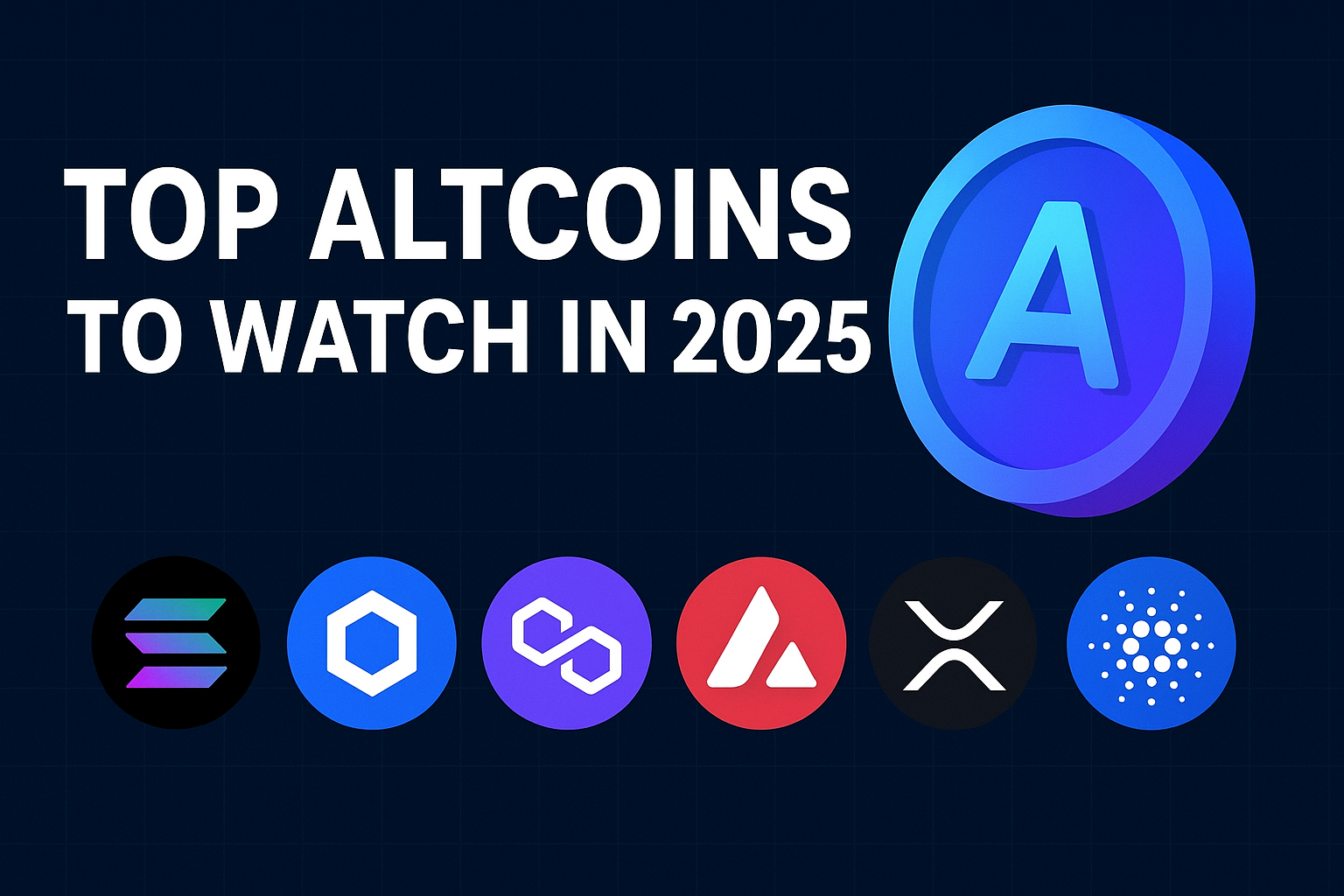
As the cryptocurrency market matures, Bitcoin continues to dominate headlines, but altcoins are increasingly becoming the center of investor attention. In 2025, the altcoin landscape is more diverse, competitive, and innovative than ever before. From AI-driven blockchain projects to next-generation DeFi platforms, new narratives are shaping the future of digital assets. But with every opportunity comes risk—and understanding these factors is essential for anyone looking to navigate the unpredictable altcoin market.
While predicting the future with absolute certainty is impossible, several altcoins have clear technological advantages, strong communities, and growing adoption that position them well for the next market cycle. At the same time, investors must remain aware of the volatility, regulatory uncertainty, and technological challenges that could influence performance in the year ahead.
Ethereum (ETH): Still the King of Altcoins
Ethereum remains one of the most important altcoins to watch in 2025. After transitioning to a proof-of-stake consensus model, the network has become more energy-efficient and scalable than in previous years. The Ethereum Layer 2 ecosystem is rapidly expanding, with projects like Arbitrum, Optimism, and Base attracting millions of users and billions in liquidity.
ETH continues to be the backbone of:
- Decentralized finance (DeFi)
- NFT marketplaces
- Smart contract deployment
- Tokenization of real-world assets
- Decentralized applications (dApps)
Its strong network effects make Ethereum one of the most reliable long-term altcoin plays. However, competition from faster and cheaper blockchains remains a significant risk.
Solana (SOL): Fast, Scalable, and Community-Driven
Solana has experienced significant growth heading into 2025. With its high-speed, low-cost transactions, the network has become a preferred platform for memecoins, decentralized exchanges, gaming projects, and emerging AI tools. Solana’s strong community and increasing institutional interest have helped it rebound from earlier challenges.
Key advantages driving SOL’s momentum include:
- Lightning-fast transaction speeds
- High scalability
- Growing developer ecosystem
- Strong support for token trading and liquidity
- Expanding real-world use cases
Still, Solana faces risks related to potential network outages, centralization concerns, and fierce competition from Ethereum and other Layer 1 networks.
Chainlink (LINK): The Leading Oracle Network
Chainlink remains one of the most influential infrastructure projects in crypto. As the leading oracle solution, Chainlink connects real-world data to smart contracts, enabling everything from DeFi lending algorithms to automated trading strategies.
In 2025, Chainlink’s adoption is accelerating due to:
- Growth in tokenized real-world assets (RWAs)
- New partnerships with banks and financial institutions
- Expansion of Chainlink’s Cross-Chain Interoperability Protocol (CCIP)
- Integration into AI-driven trading platforms
- Increasing demand for trusted data feeds
LINK is positioned to remain a crucial piece of blockchain infrastructure, though its growth depends heavily on broader DeFi adoption and enterprise partnerships.
Avalanche (AVAX): Enterprise-Friendly Innovation
Avalanche continues to stand out as a chain built for scalability, speed, and enterprise adoption. Its unique subnet architecture allows developers to create specialized blockchains with customized rules, making it appealing for both corporations and government-backed initiatives.
Opportunities driving AVAX include:
- Strong collaboration with financial institutions
- Growing adoption of subnets for gaming and DeFi
- Increasing tokenization of institutional assets
- A robust developer ecosystem
However, Avalanche faces risks from over-reliance on specific institutional partnerships and competition from other enterprise-focused networks.
Polygon (MATIC): Scaling Ethereum to the Masses
Polygon has evolved significantly over the past few years. Originally known as an ETH scaling solution, it now offers a suite of technologies including zero-knowledge rollups, data availability solutions, and multi-chain infrastructure.
In 2025, the strongest drivers for Polygon’s growth include:
- Increasing demand for Layer 2 scalability
- Partnerships with global brands
- New developments in zkEVM technology
- Strong developer community
Still, its biggest risk lies in Ethereum’s continued push toward scalability improvements, which may reduce the need for Layer 2 networks.
XRP (XRP): A Controversial but Resilient Candidate
Despite regulatory battles in previous years, XRP remains a top altcoin due to its focus on cross-border payments and partnerships with global financial institutions. If regulatory clarity improves further, XRP could benefit massively from institutional adoption.
Its advantages include:
- Fast and low-cost transactions
- Strong enterprise partnerships
- A dedicated global community
Risks for XRP include regulatory shifts, competition from central bank digital currencies, and limited ecosystem development compared to newer chains.
AI-Powered Altcoins: The Fastest-Growing Narrative of 2025
AI-focused altcoins have become one of the hottest sectors in the market. Projects like Render (RNDR), Fetch.ai (FET), and SingularityNET (AGIX) are attracting significant investor attention due to their role in powering AI computation, decentralized machine learning, and data marketplaces.
These altcoins offer:
- Exposure to the booming AI sector
- Real-world use cases beyond speculation
- Strong partnerships with tech companies
However, AI tokens are also highly speculative and often tied to hype, making them riskier than more established projects.
The Risks Every Altcoin Investor Should Understand
While the opportunities in altcoins are significant, the risks should never be ignored. The biggest risks in 2025 include:
1. High volatility
Altcoins can rise rapidly—but they can fall just as quickly.
2. Regulatory uncertainty
Governments are increasingly focused on crypto oversight, which can affect prices overnight.
3. Technological failure
Many altcoins fail due to bugs, hacks, or lack of adoption.
4. Overhyped narratives
Not every trending token has real utility or long-term value.
5. Liquidity risks
Some altcoins may struggle during market downturns, making exits difficult.
Smart investors combine research, diversification, and risk management to protect themselves in a rapidly changing environment.
Final Thoughts
The altcoin market in 2025 is one of the most dynamic and opportunity-filled spaces in global finance. Ethereum, Solana, Chainlink, Avalanche, and Polygon remain strong contenders, while AI-focused and enterprise-driven projects offer new avenues for investment. At the same time, every altcoin carries its own set of risks—some tied to technology, others to regulation or market sentiment.
For investors, the key is balance: seeking high-potential opportunities while being realistic about the risks. Those who can navigate these challenges with clarity and discipline may find that 2025 is one of the most promising years for altcoin investment yet.




Más historias
Can the World Avoid a 2025 Recession? Economists Are Divided
The Future of Work and Automation: How It Will Reshape the Global Economy
The Global Debt Problem Is Worse Than You Think