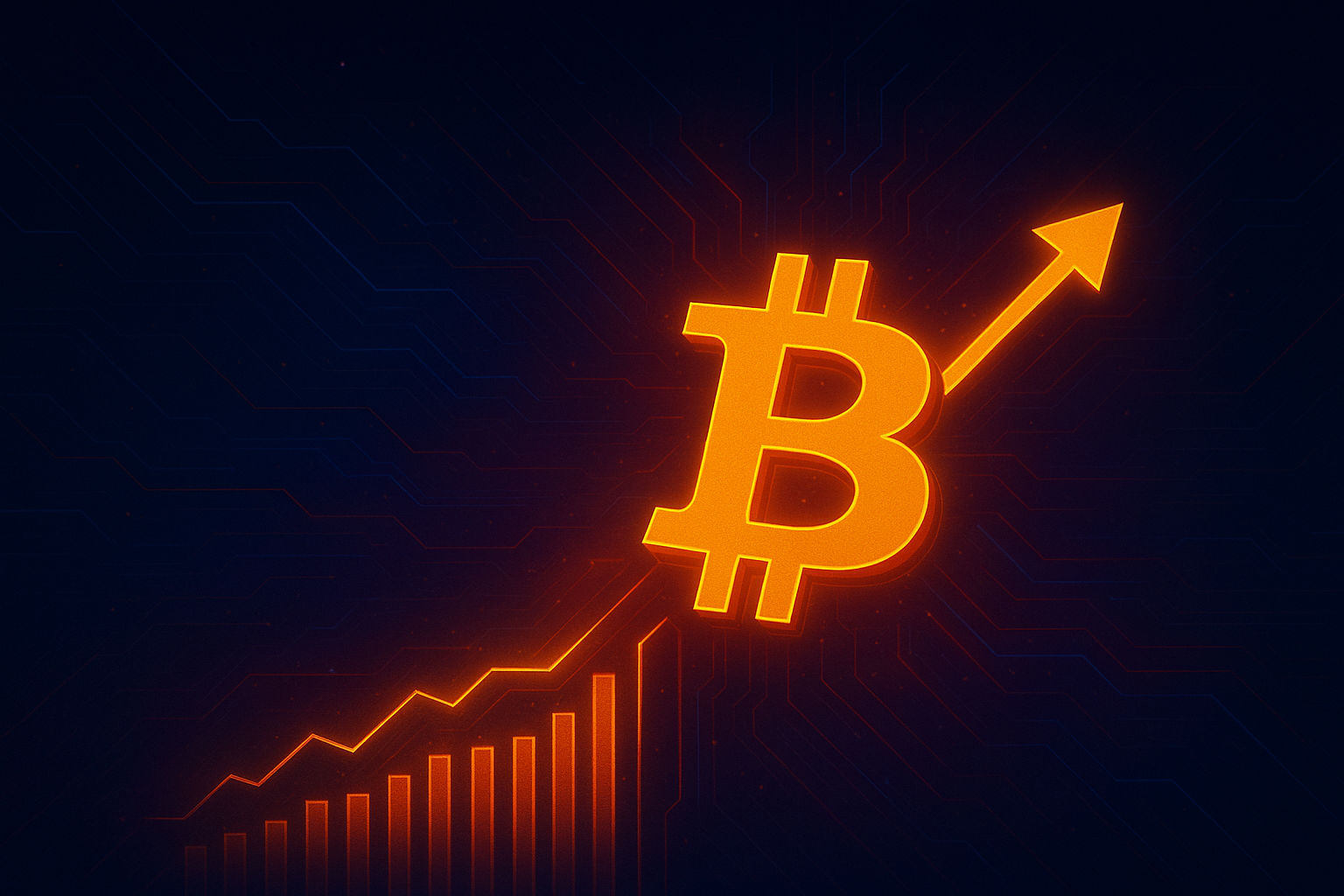
Bitcoin has reached a new level of maturity in global markets. Once dismissed as a speculative experiment, it is now widely recognized as digital gold, a macro-sensitive asset, and a long-term store of value for institutions and retail investors alike. But with rising volatility, shifting regulations, and the growing influence of macroeconomic cycles, many investors are asking the same question in 2025: Is Bitcoin still a good investment, and what could it realistically be worth by 2030?
The answer, according to analysts, depends on a mix of adoption trends, regulatory clarity, institutional inflows, and Bitcoin’s evolving role in a changing global financial system. Below is an in-depth analysis of Bitcoin’s outlook from 2025 to 2030, including key scenarios, risk factors, and the forces that could shape its next major bull cycle.
Bitcoin’s Status in 2025: A More Mature, More Regulated Asset
By 2025, Bitcoin has become more integrated into the global financial ecosystem than ever before. Spot Bitcoin ETFs in the United States, Europe, and parts of Asia have fueled billions in institutional inflows, making BTC accessible to pension funds, asset managers, insurance companies, and sovereign wealth funds.
This institutional adoption has brought several major changes.
1. Reduced Perceived Risk
Bitcoin is no longer viewed as a fringe or speculative-only asset. Regulatory frameworks and ETF structures make it easier for traditional investors to treat BTC similarly to commodities such as gold.
2. More Price Stability, With Some Limitations
Volatility remains higher than traditional markets, but ETF-driven liquidity has smoothed out some of the extreme price fluctuations observed in earlier years.
3. Stronger Correlation With Macro Conditions
Bitcoin now reacts more predictably to shifts in monetary policy, liquidity conditions, inflation cycles, and geopolitical risk. Its performance has become tied to global macroeconomic developments in a way that increases its credibility among institutional investors.
Halving Effects and the 2024–2028 Cycle
Bitcoin’s supply issuance was cut from 6.25 BTC to 3.125 BTC during the 2024 halving, initiating another multi-year supply reduction cycle. Historically, Bitcoin’s strongest rallies tend to occur 12 to 18 months after each halving.
Analysts expect several phases in this cycle:
- A strong upward trend through 2025 and 2026
- A stabilization or mid-cycle correction in 2027
- A renewed upward trend leading into the next halving in 2028
Bitcoin’s predictable supply schedule remains one of its most powerful economic forces. As demand rises and new supply decreases, long-term upward pressure on the price is almost inevitable.
Price Outlook for 2025–2030
Forecasts vary depending on macroeconomic conditions and adoption trends, but three major scenarios dominate analyst expectations.
This page makes a prediction: https://www.binance.com
Base Case Scenario (Most Likely)
150,000 to 250,000 dollars by 2025–2026
300,000 to 450,000 dollars by 2030
In this scenario:
- Institutional demand grows steadily
- Regulations remain stable and predictable
- Adoption increases in emerging markets
- Bitcoin continues being used as a store of value
This represents a healthy, sustainable long-term growth trajectory.
Bullish Scenario
250,000 to 400,000 dollars by 2025–2026
500,000 to 1,000,000 dollars by 2030
This outcome becomes possible if:
- Global liquidity expands
- Sovereign wealth funds allocate to Bitcoin
- Inflation and monetary instability increase BTC demand
- The 2028 halving triggers a stronger-than-expected supply shock
This would resemble earlier explosive cycles, but with greater institutional support.
Bearish Scenario
70,000 to 120,000 dollars through 2025–2026
120,000 to 200,000 dollars by 2030
This would occur if:
- Regulations become restrictive
- ETF inflows weaken
- Competing crypto sectors attract more capital
- Global economic tightening reduces risk appetite
Even in this case, Bitcoin grows in value, though at a slower pace.

Is Bitcoin Still a Good Investment in 2025? Key Points
1. A Proven Long-Term Asset
Over more than a decade, Bitcoin has outperformed all major asset classes. Despite its volatility, long-term holders consistently see strong returns.
2. A Hedge Against Monetary Instability
With rising government debt, inflation cycles, and currency risks, non-sovereign assets are more relevant than ever.
3. Accelerating Institutional Adoption
ETFs and more sophisticated custodial solutions have made Bitcoin accessible to a broader range of traditional investors.
4. Increasing Scarcity
After each halving, the available new supply decreases. Institutional buying now absorbs more Bitcoin than miners produce, strengthening supply-demand dynamics.
5. Strong Market Position
Even with rapid innovation in crypto and the growth of sectors such as AI tokens, real-world asset tokenization, and decentralized compute networks, Bitcoin remains the dominant and most trusted digital asset.
Downside Risks to Watch
1. Regulatory Uncertainty
Fragmented or restrictive regulations could slow down institutional participation.
2. Dependence on ETF Flows
If ETF interest declines, price growth could slow significantly.
3. Competition From Other Crypto Sectors
High-growth sectors may temporarily pull capital away from Bitcoin.
4. Macro-Economic Pressures
Recessions, liquidity crises, or prolonged high interest rates could stall momentum.
Conclusion: Is Bitcoin Still a Strong Investment for the Next 5 Years?
Most analysts agree that Bitcoin remains a strong long-term asset with substantial upside potential. While it may no longer experience the extreme exponential gains of its earliest years, it is still realistically positioned to multiply in value over the next five years.
Inflation pressures, institutional adoption, the halving cycle, and increasing global demand for non-sovereign stores of value suggest that Bitcoin could be significantly more valuable by 2030.



Más historias
Can the World Avoid a 2025 Recession? Economists Are Divided
The Future of Work and Automation: How It Will Reshape the Global Economy
The Global Debt Problem Is Worse Than You Think