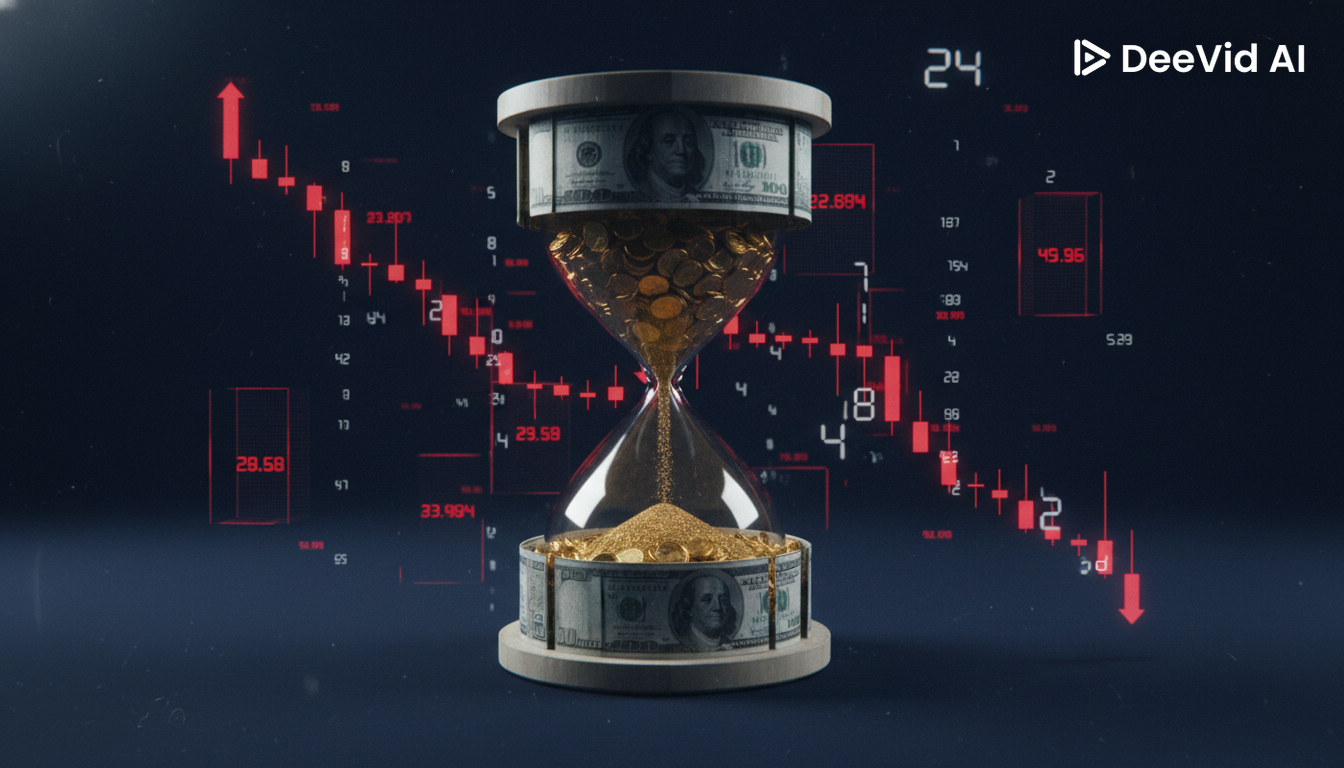
Global debt has reached an unprecedented level, surpassing $300 trillion and raising serious concerns about the long-term stability of the global financial system. From the United States and Japan to emerging economies across Africa, Latin America, and Asia, governments are borrowing more than ever before.
What was once considered a temporary response to economic shocks has become a structural trend. The central question is now unavoidable: are governments running out of time to correct their debt trajectory?
This crisis did not emerge from nowhere. Instead, it is the result of decades of expansionary fiscal policies, low interest rates, and repeated global emergencies—from the 2008 financial collapse to the COVID-19 pandemic. The result is a world where debt is rising faster than growth, and the warning signs are beginning to flash.
2. The Origins of the Global Debt Surge
2.1 Post-2008 Expansion
After the financial crisis of 2008, governments worldwide injected trillions into their economies. These interventions prevented a deeper depression but also marked the beginning of a period of sustained high public spending.
2.2 The COVID-19 Shock
The pandemic accelerated the trend dramatically. Lockdowns forced governments to support businesses, households, and healthcare systems with massive stimulus packages. Debt soared at a pace never seen before in peacetime.
2.3 Structural Dependence on Borrowing
Many governments now borrow not to invest, but simply to fund essential operations such as salaries, pensions, and basic public services. This shift from investment-driven borrowing to survival-driven borrowing is one of the strongest indicators of a global system under strain.
3. The Interest Rate Trap
3.1 Central Banks Raise Rates
From 2022 onward, central banks increased interest rates aggressively to fight inflation. While effective for price stability, this had a dangerous side effect: the cost of debt exploded.
3.2 Rising Interest Payments
Countries that were already struggling saw their interest expenses rise faster than their revenue. In some nations, interest payments now exceed spending on education, healthcare, or defense.
3.3 Limited Fiscal Space
When a government spends most of its budget on debt servicing, it has little room left for investment. This slows growth, which further worsens debt sustainability. The economy becomes trapped in a self-reinforcing cycle.
4. Emerging Markets: The Eye of the Storm
4.1 Currency Weakness and External Debt
Many developing countries borrow in foreign currencies. As their local currencies weaken, repaying this debt becomes increasingly expensive.
4.2 Nations at High Risk
Countries such as Sri Lanka, Ghana, Pakistan, Egypt, and Argentina have already faced severe financial stress, IMF bailouts, and in some cases sovereign default.
4.3 Social and Political Instability
Economic crises often trigger political unrest. As governments tighten budgets, citizens face inflation, unemployment, and reduced public services. These tensions make structural reforms harder to implement, creating a vicious cycle.
5. Advanced Economies: Not as Safe as They Seem
5.1 The U.S. Debt Spiral
The United States has surpassed $34 trillion in national debt. Interest payments are projected to exceed military spending within a few years—an unprecedented shift.
5.2 Europe’s Quiet Crisis
Italy, France, and the UK face rising debt loads and pressure from financial markets. Slow productivity growth, aging populations, and political polarization reduce their ability to stabilize debt.
5.3 Japan’s Extreme Case
Japan’s debt-to-GDP ratio has exceeded 250%, the highest of any major economy. While its stable financial system gives it room to maneuver, the long-term path remains uncertain.
6. Geopolitical Fragmentation: A New Risk Factor
6.1 Rising Military and Security Spending
Tensions between the U.S. and China, conflicts in the Middle East, and instability in Eastern Europe have forced governments to increase defense budgets—often financed through additional debt.
6.2 Decline of Global Cooperation
Global institutions like the IMF, World Bank, and WTO are struggling to maintain unified action. Without cooperation, coordinating solutions to the debt crisis becomes much harder.
7. Are Governments Running Out of Time?
7.1 The Window Is Narrowing
Governments that act quickly can still stabilize their economies through structural reforms, improved tax systems, reduced wasteful spending, and targeted investments in productivity-enhancing sectors.
7.2 High-Risk Nations Are Nearly Out of Time
For many emerging markets, rising interest rates and weakening currencies are making debt unsustainable. Without external support or drastic reform, several countries risk default.
7.3 Potential for Global Contagion
A large sovereign default could trigger ripple effects across global markets, affecting banks, investors, and trade partners. The risk of a chain reaction similar to the 2008 crisis is a growing concern.
8. A Path Forward: Is There Hope?
8.1 Technology and Productivity
AI-driven public administration, blockchain-based tax systems, and digital trade infrastructure may help governments increase efficiency and reduce fiscal gaps.
8.2 Potential Rate Cuts
If inflation continues to stabilize, central banks may lower interest rates, easing pressure on government budgets.
8.3 Historical Precedent
Many countries have escaped debt crises in the past through long-term fiscal discipline and economic modernization. Though difficult, it is possible.
9. Conclusion: The Clock Is Ticking
The global debt crisis is not a distant threat—it is already here.
Some countries still have time to act, but others are dangerously close to the point where debt becomes unmanageable.
The world is not out of time yet,
but every year of inaction shrinks the margin for recovery.




Más historias
Can the World Avoid a 2025 Recession? Economists Are Divided
The Future of Work and Automation: How It Will Reshape the Global Economy
The Global Debt Problem Is Worse Than You Think